Making It Through The New Year After Losing A Loved One

Turkeys have been eaten, presents have been exchanged and champagne corks have been popped to ring in the New Year. For many people, the end of the holiday season brings a new resolve to make the new calendar year rich with life changes and prosperity. 

But what if you’re one of many people who recently experienced a death that hit close to home?

The holiday cheer rings a little less vibrant when you’re dealing with grief. This can carry over, making it taxing to raise your energy in anticipation of New Year’s resolutions, goals and promises. 

You can turn the death of a loved one into a journey that propels you into the New Year, fostering growth and nurturing you through your grieving process. 

Let these tips below serve as a foundation for a prosperous New Year, so that you honor the memory of your loved one who passed and find the grace to heal. 

Give it meaning. The human experience doesn’t always lend to understandings of why certain things happen. In these moments, there’s absolutely nothing wrong with creating your own meaning and growing from it. 

For instance, if your loved one died due to a certain illness, you could use that lesson to drive you to embrace your own health and help others take care of their bodies. You can also find lessons in the way that your loved one lived. Perhaps they were active in their community, served in the armed forces or were diligent in perfecting their craft. 

Taking the time to reflect on the way your loved one lived helps you to mentally acknowledge their death so you can physically let them go, while holding onto the lessons that can serve you and others as you move forward. 

Embrace faith. Whether you attend church every Sunday, are non-religious, but believe in a higher power, or simply want to hold out hope for better days ahead, faith can work wonders during your grieving process. Experiencing a death can issue a blow that makes it hard to get out of bed or take care of daily duties. 

These moments of despair make it necessary to surrender to the miracles that faith can work in your life. Medical studies have shown that faith in a power bigger than you can provide healing – even in people experiencing crippling depression and other mental disorders. Reaffirm your faith and use this power to help you through this year. 

Focus on your mental health . Take this time to get the mental health assistance that you need. The best course of action to take is reaching out to professional grieving counselors who can see you regularly. The act of letting go and seeking help also lightens the burden, so that you don’t feel as though you’re alone with your grief. 

Embracing meditation, prayer and affirmations can also help you to organize your thoughts, so that you find empowerment and renewal in your thought life. 

Focus on your physical health . Take this time to strengthen your health, fitness and nutrition and it will provide an excellent grieving tool. You don’t have to become a bodybuilder or a fitness model – but a fit body leads to a fit mind and invigorated spirit. Getting physically active also keeps you out of the house and allows you to grieve while on the go, as opposed to being alone with your thoughts. 

P rocess your feelings through creativity and reflection. The last thing you should ever try to do when grieving is forget your loved one who passed. Not only is this not possible -- it is not fruitful in the long run. 

Instead, start a journal and begin regularly expressing the range of emotions that you are going through now that your loved one is no longer with you. Allow these journal entries to be as expansive and expressive as you would like. You might even consider writing letters to your departed, detailing how grateful you are to have known them. 

Creating a photo album, video project or other presentation also lets you use your energy productively, while honoring their life and memory. 

Visit their resting place. When a loved one is buried or memorialized at a site, bear in mind that this is just as much for you as it is for them. Going into the New Year, you can set regular days to visit, drop off fresh flowers, or simply reflect. Doing so with regularity continuously reinforces the reality that they are no longer here, which is a necessary part of grieving and creating a new sense of perspective. 

Strengthen your relationships . Losing a loved one puts us in touch with our own mortality. Subconsciously, this realization is a big reason that so much sadness is involved. Take the time to grow closer to other family members and friends, honoring the fact that our time is limited, while also taking in love during this fragile time. 

Putting these seven tips to use will help you make this New Year fruitful, as you cope with loss and thrive by creating your own new beginning.


April 13, 2026
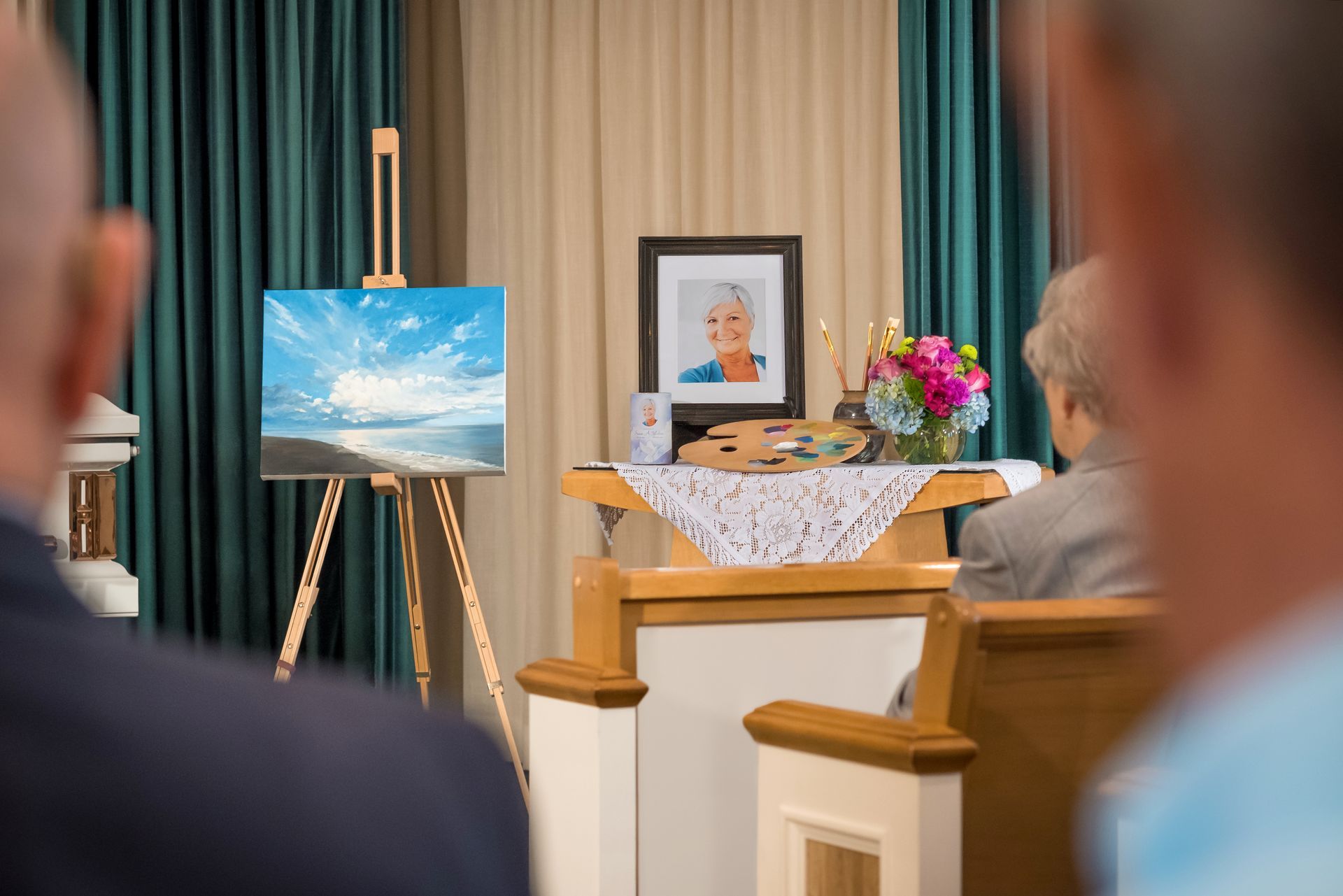
In recent years, the phrase “celebration of life” has become more common when families are planning services for a loved one. While many people have heard the term, there can still be confusion about what it truly means and how it differs from a traditional funeral. At its heart, a celebration of life is not about replacing tradition, but about offering a more flexible, personalized way to honor and remember a life. A celebration of life is a personalized service that focuses on honoring the unique story, personality, and legacy of the individual who has passed. While it can be held in a variety of locations, many families choose to gather in the comfort of a funeral home chapel, where they have both guidance and the ability to customize the experience. These services most often take place after cremation, which allows families more time to plan and create a meaningful tribute. However, every family’s preferences are different, and services can be arranged in whatever way feels most appropriate. No two celebrations of life are exactly the same, because no two lives are the same. One of the most meaningful aspects of a celebration of life is the ability to incorporate personal touches that reflect the life being honored, even within a chapel setting. Families may choose to include themed elements that represent a loved one’s passions, hobbies, or personality. This could be as simple as displaying favorite photos and memorabilia, or as unique as incorporating colors, music, or décor that reflect what they loved most in life. Memory tables, tribute videos, and customized music selections can all be seamlessly incorporated into a chapel service. Some families also invite guests to participate by sharing stories or bringing items that hold special meaning. This blend of personalization within a supportive, structured environment often provides both comfort and creativity during a difficult time. A celebration of life offers families the opportunity to gather in a familiar, supportive setting while creating a service that truly reflects their loved one. By combining the comfort of a chapel with the flexibility of personalization, it becomes a meaningful way to honor a life and share memories with those who matter most. There is no right or wrong way to plan a service. The most important thing is creating a space that feels genuine, supportive, and reflective of the person being remembered.
March 2, 2026
Many of us take our freedoms for granted, but our staff proudly acknowledges the sacrifices made by those who have served our country through their patriotism, love of country and willingness to protect others. We are committed to providing quality service and professional assistance to help families complete the necessary forms to obtain benefits that are provided through the United States Department of Veterans Affairs (VA). Here are some frequently-asked questions about benefits. What kinds of benefits are available? Granted to eligible Veterans in appreciation for the service they have provided for our country, benefits can include a burial allowance to help cover the burial, funeral and transportation costs associated with the deceased’s services and disposition. For those being buried in a national cemetery, survivors can receive assistance with the burial and funeral costs, the plot or internment, and the transporting of the veteran’s remains for burial. Additionally, Veterans may be eligible for a military funeral honors and committal service, and memorial items such as a cemetery headstone, marker, medallion, Presidential Memorial Certificate, plaque, or urn. Specific qualifications will need to be met to receive these benefits and memorial items. Who qualifies for burial benefits and burial in a national cemetery? Veterans, service members, spouses, and dependents may be eligible for burial in a VA national cemetery, as well as other benefits, if they meet one of the general requirements listed below. For complete requirements, please visit the VA burials and benefits page , and find a local VA national cemetery here . · A veteran who didn’t receive a dishonorable discharge · A service member who died while on active duty, active duty for training, or inactive duty for training · The spouse or minor child of a veteran, even if the veteran died first · In some cases, the unmarried adult dependent child of a veteran What are military funeral honors and a committal service? Military funeral honors include the playing of “Taps,” a rifle detail, a color guard and uniformed service members who properly fold and present the United States flag to the grieving family. These flags are typically given to the deceased’s next of kin or close friend. In order for the survivors to qualify to receive the burial flag, the veteran or reservist must be described by at least one of the following: · Served in wartime · Died while serving on active duty after May 27, 1941 · Served after January 31, 1955 · Served in peacetime and left military service before June 27, 1950, after serving at least one enlistment or because of a disability that was caused - or made worse - by their active military service · Served in the Selected Reserves, or served in the military forces of the Philippines while in service of the United States and died on or after April 25, 1951. As a Veteran, how do I apply for benefits? You can apply to find out in advance if you’re eligible for burial in a VA national cemetery. This is called a pre-need determination of eligibility—and it can help make the burial planning process easier for your family members in their time of need. Learn how to apply for a preneed determination of eligibility. As a surviving family member, how do I apply for benefits? As a surviving family member, you must file a claim for a non-service-connected burial allowance within two years after the veteran’s burial or cremation. There is no time limit to file for a service-connected burial, plot or interment allowance. You can apply online or by mail after completing the VA Form 21P-530. A veteran who didn’t receive a dishonorable discharge or a service member who died while on active duty may be eligible for a headstone or marker if they meet certain requirements. To find out if your deceased loved one qualifies for a cemetery marker and to apply, visit this site . For more information regarding VA burial benefits and memorial items, visit the VA's website or call the VA office at 1-800-827-1000.
February 2, 2026
Inflation affects nearly every part of daily life, from groceries and utilities to health care and housing. One area that is often overlooked is funeral and cremation planning. Like most services, these costs tend to increase over time. Preplanning provides a thoughtful way to prepare while reducing both financial and emotional stress in the future. More people are choosing to make arrangements in advance, not only to ensure their wishes are clearly known, but also to help protect their families from rising costs and difficult decisions during an already emotional time. The Reality of Rising Costs Funeral and cremation services include many components influenced by inflation, such as professional care, facilities, transportation, materials, and regulatory requirements. As these expenses increase, waiting to make arrangements can result in higher costs for families who may be unprepared to manage them, both emotionally and financially. Planning ahead allows you to make decisions calmly and deliberately, rather than facing rushed choices during a time of loss. Addressing Today’s Prices One benefit many people appreciate about preplanning is the ability to address pricing in advance and reduce uncertainty about future costs. Preplanned arrangements may be funded in full or paid over time, giving you the flexibility to choose an option that fits your budget and personal situation. This approach helps make planning more approachable and manageable. To help protect pricing, arrangements are typically financially secured through full payment or an approved payment plan. This helps ensure that the services you choose today remain in place in the future, even as costs change. Reducing Financial Stress for Loved Ones One of the most meaningful benefits of preplanning is the consideration it shows for those you care about. When a death occurs, families are often required to make many decisions in a short amount of time. Having arrangements already in place removes much of that burden. By planning ahead, you relieve your loved ones from financial uncertainty and clearly document your wishes. This allows them to focus on honoring your life and supporting one another instead of worrying about costs or decisions. A Thoughtful Part of Long Term Planning Preplanning final arrangements is similar to creating a will or setting aside savings. It is an important step in long term planning. It gives you the opportunity to take control, ask questions, and make informed choices without pressure. Many people find comfort in knowing their plans are documented, their preferences are clear, and inflation is less likely to affect the value of the arrangements they have chosen. Peace of Mind for Today and Tomorrow Ultimately, preplanning is about peace of mind. It provides reassurance that your wishes are understood, your family is supported, and important details are handled thoughtfully.  If you have been considering planning ahead, our team is here to share information, explain options, and answer questions whenever you are ready. A simple conversation today can bring comfort and confidence for years to come.
January 13, 2026
Prepaid funeral plans are often misunderstood. While some people worry about cost, flexibility, or security, the truth is that funeral preplanning can offer peace of mind and financial protection when arranged through a reputable provider. Below are common myths about prepaid funeral plans—and the facts families should know. Myth 1: Your Money Is Better Off in the Bank Fact: Funeral costs increase over time. A prepaid funeral plan locks in today’s prices on many funeral services and merchandise, helping protect your family from inflation and future cost increases. Myth 2: You’ll Lose Your Money If a Funeral Home Closes Fact: Prepaid funeral plans are regulated by state law. Funds are typically placed in a trust or insurance policy, not held by the funeral home. If a provider closes, the funds can usually be transferred to another funeral home. Myth 3: Moving Makes Your Plan Useless Fact: Most prepaid funeral plans are transferable. If you relocate, your plan can often be moved to another funeral provider, ensuring your arrangements remain in place. Myth 4: Life Insurance Covers Funeral Expenses Fact: Life insurance payouts can take weeks or months, while funeral costs are due immediately. Prepaid funeral plans are specifically designed to cover final expenses at the time of need. Myth 5: The Plan Won’t Work Unless It’s Fully Paid Fact: Many funeral preplanning arrangements provide coverage as soon as payments begin, as long as the account stays current. Your selected services are typically guaranteed. Myth 6: Preplanning Means High-Pressure Sales Fact: Funeral preplanning should be educational and voluntary. Reputable providers focus on honoring your wishes—not selling unnecessary products. Why Prepaid Funeral Planning Makes Sense Locks in funeral costs Reduces financial stress on loved ones Ensures your wishes are clearly documented Protects against rising funeral expenses Prepaid funeral planning is a thoughtful way to support your family and take control of your final arrangements. Contact us today to get started.
More Posts »

More Resources & Support